Welcome to Egegik Bay, Alaska
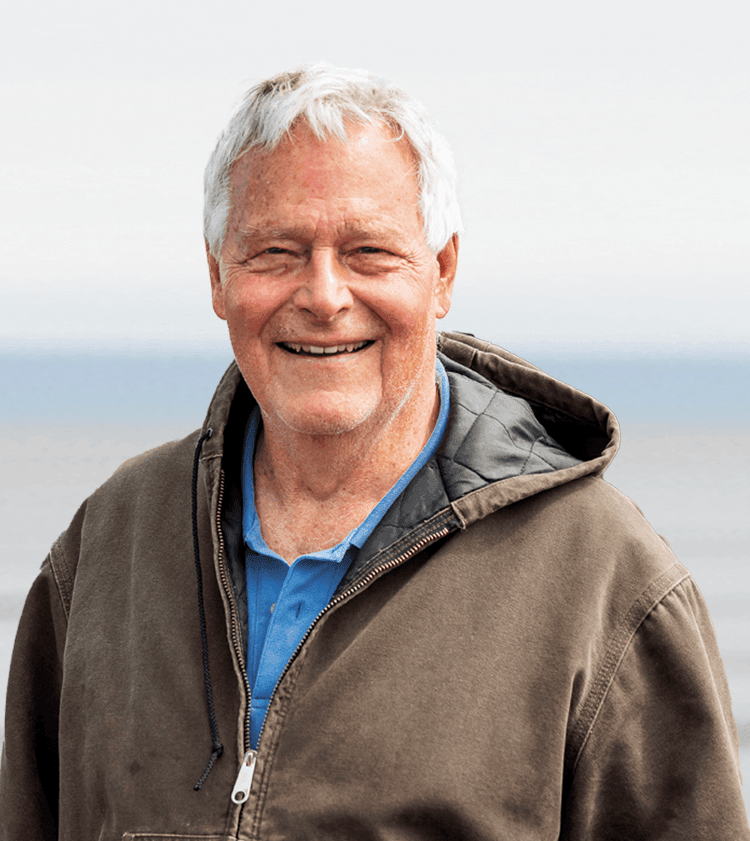
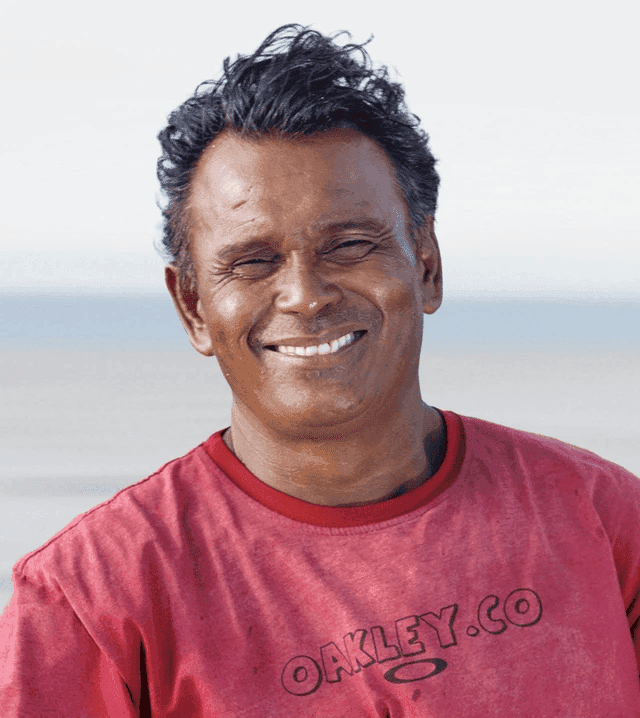
- Tony Neal
- Fixed gillnets
- Partner since 2025
- Egegik Bay, Alaska

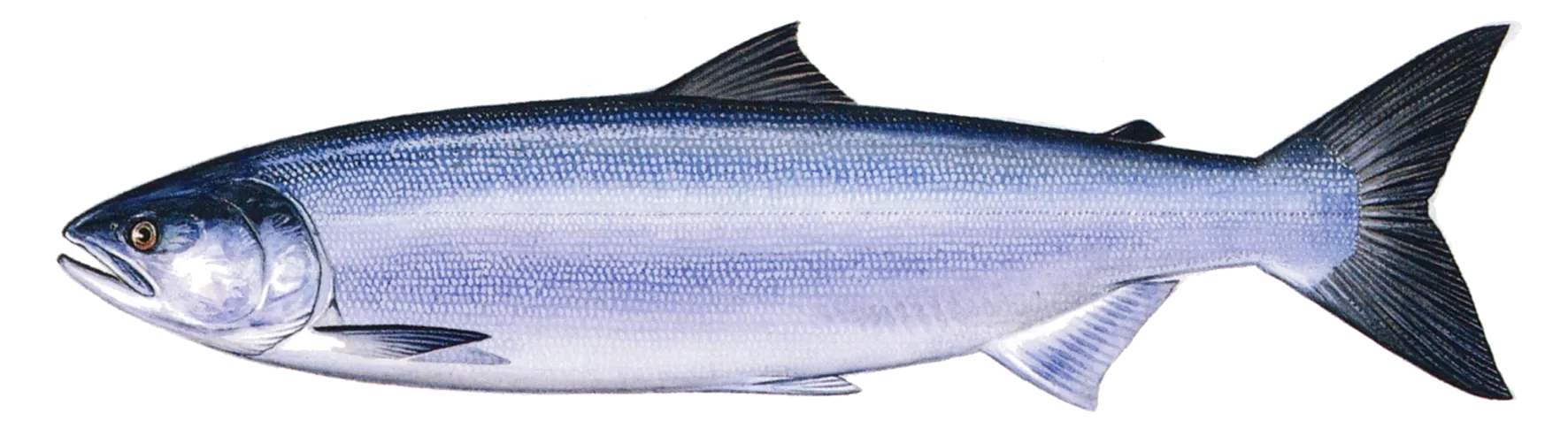
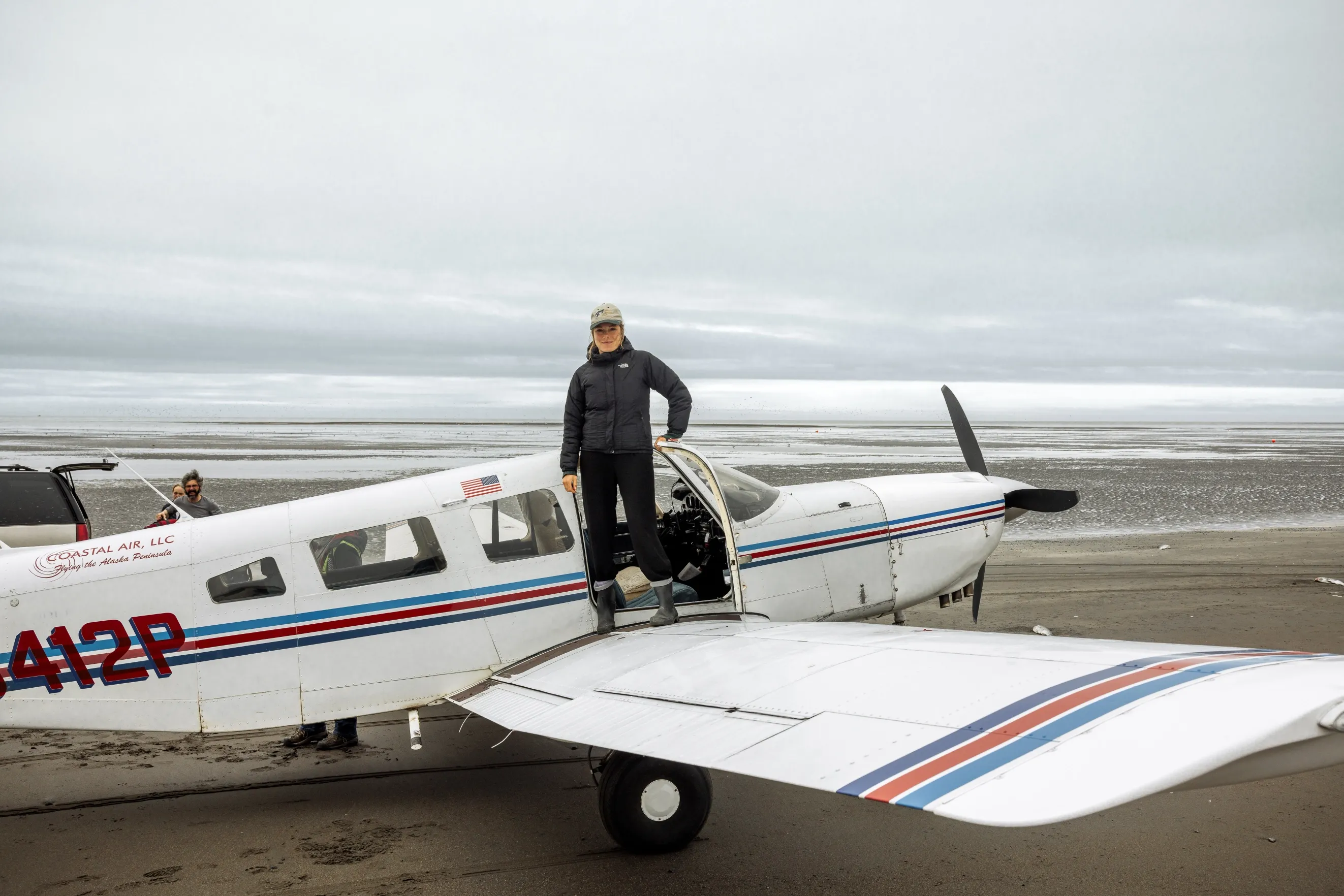
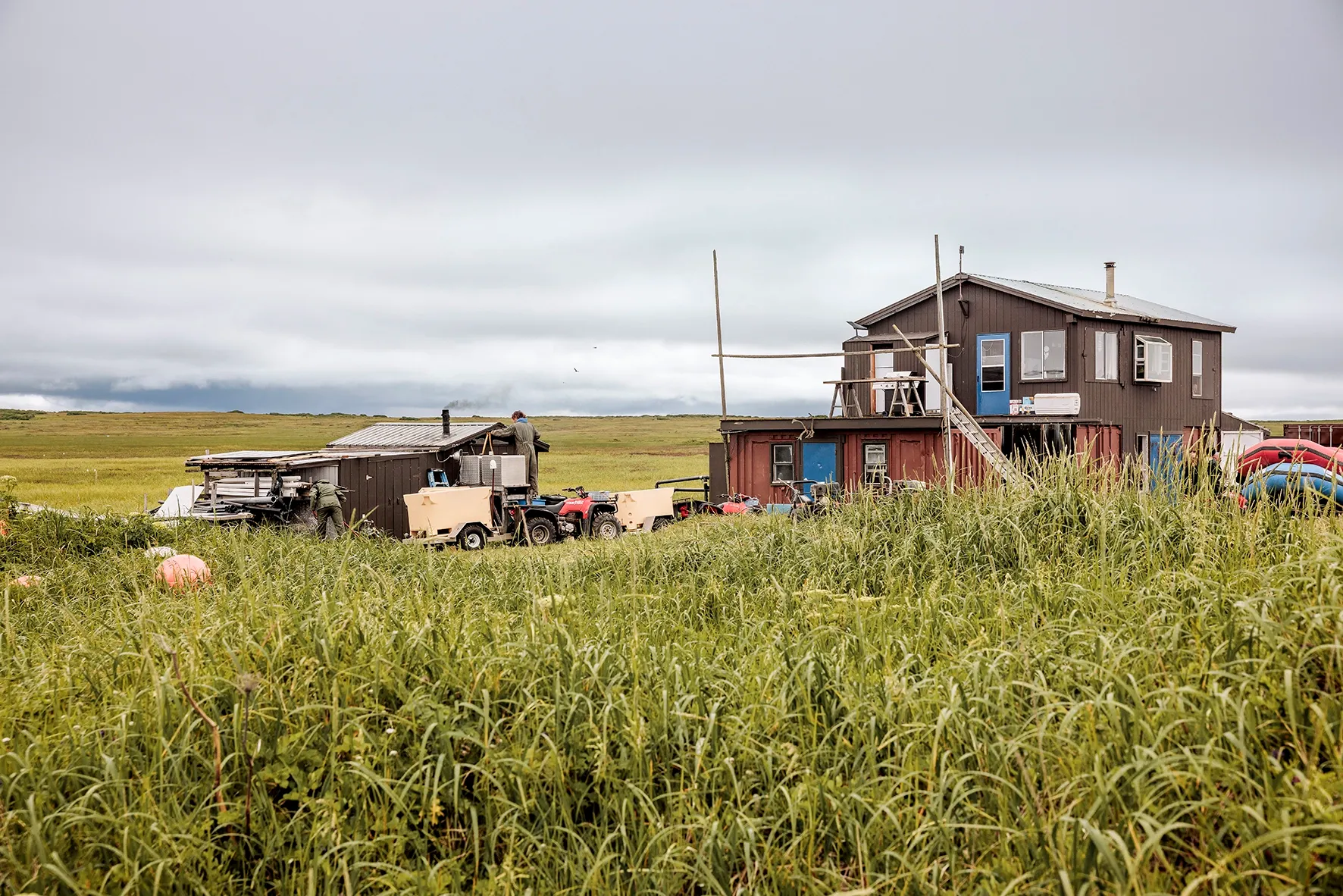
In Egegik Bay, the salmon season doesn’t kick off in a harbor – it starts on a remote 12-mile stretch of beach at the edge of the Alaskan wilderness. No roads. No stores. Not even a single phone pole. Just sand, sea, and salmon.
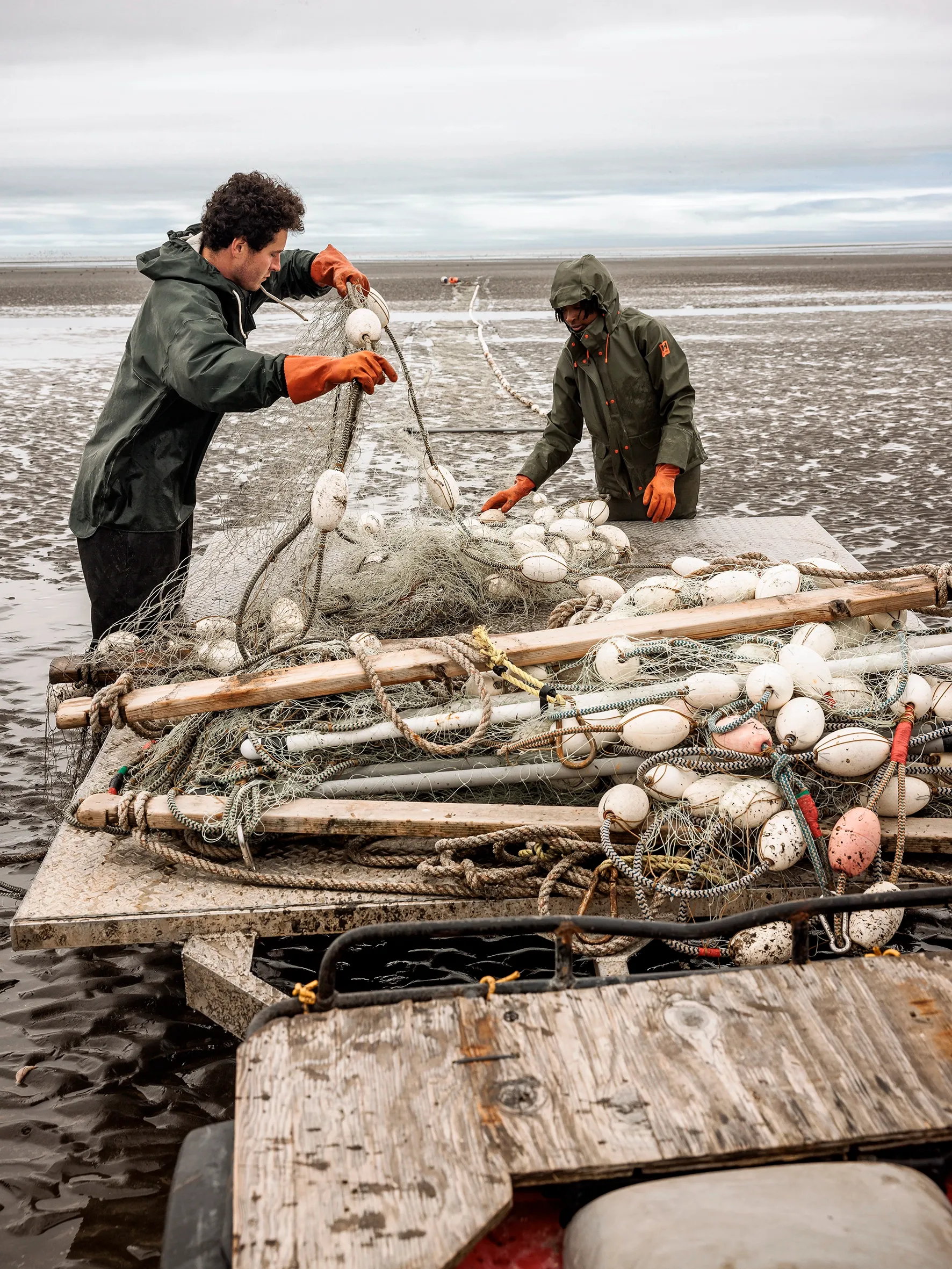
One of the fishing families in Egegik Bay is the Neal family. They hold permits for four spots along the twelve-mile stretch of beach. At low tide, they set their nets by hand directly on the sand. As the tide comes in, the net tightens — ready to catch the incoming sockeye salmon. In small inflatable boats, Tony and his family check the nets, hand-picking the salmon one by one. Once the fish are collected, they’re hauled by quad bike straight to the landing station.
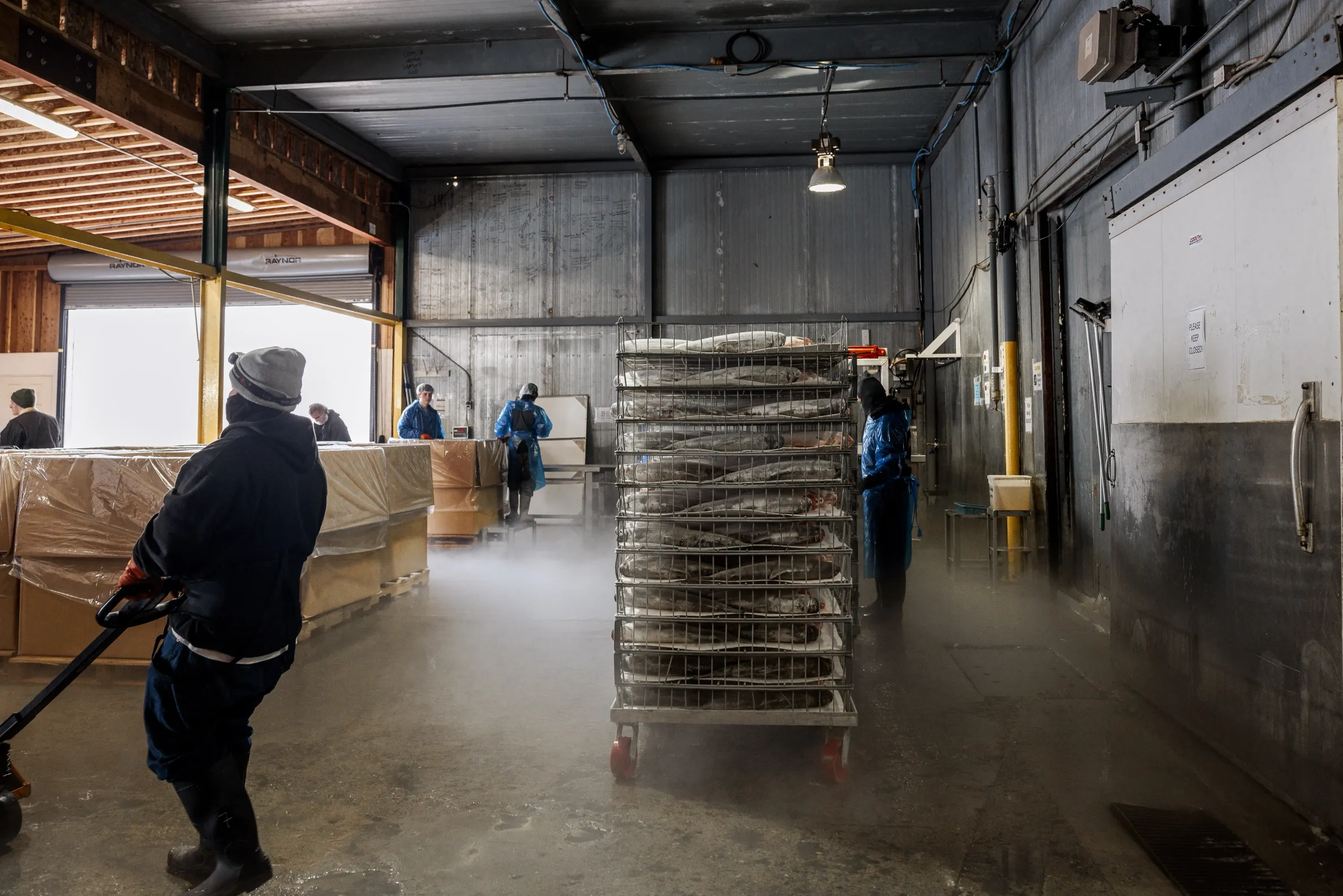
All the fishermen in Egegik Bay bring their fresh catch to the small processing station at the end of the beach. There, a compact facility processes the salmon — usually within just a few hours — and gets it ready to ship around the world. Fast, efficient, and with minimal waste.

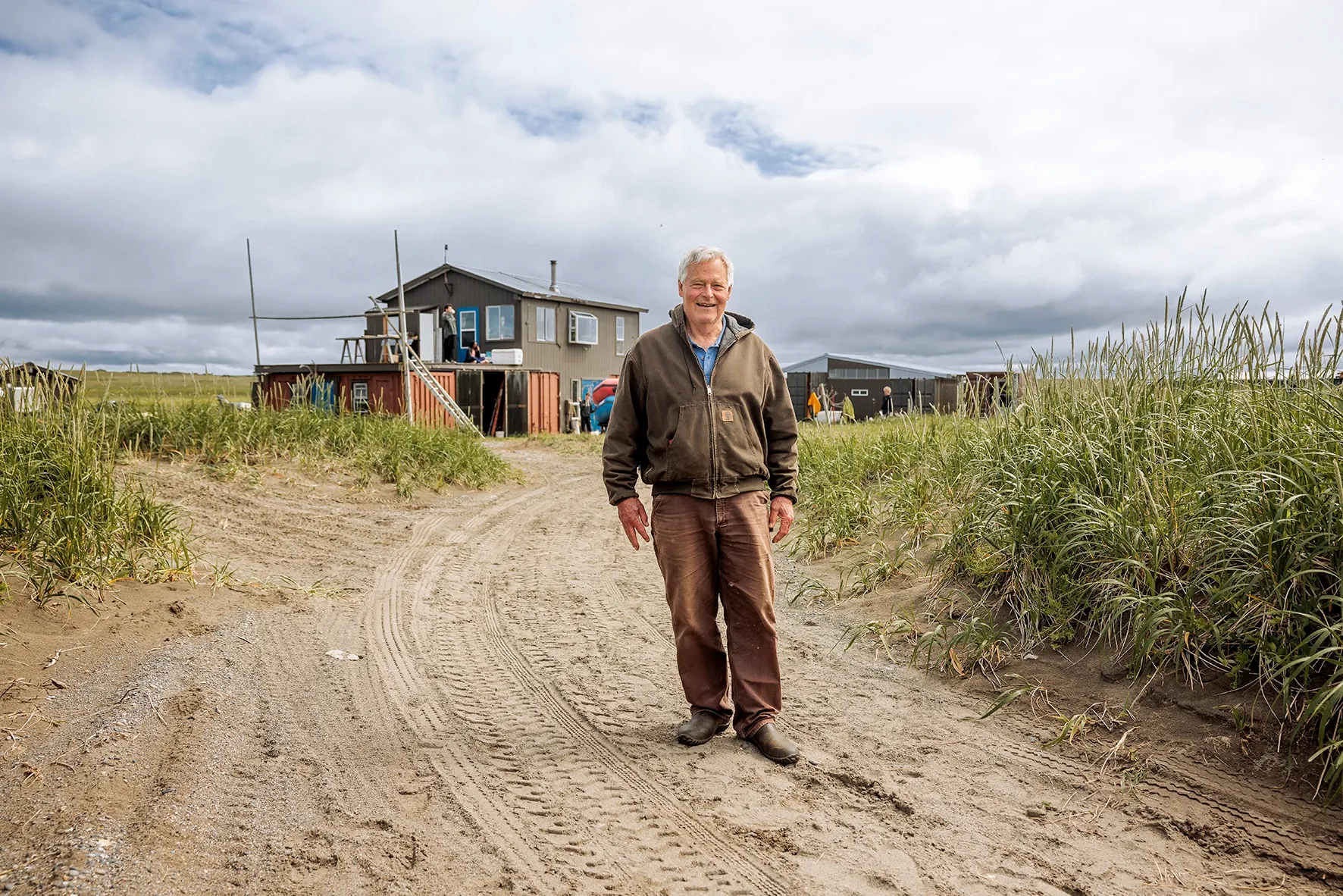
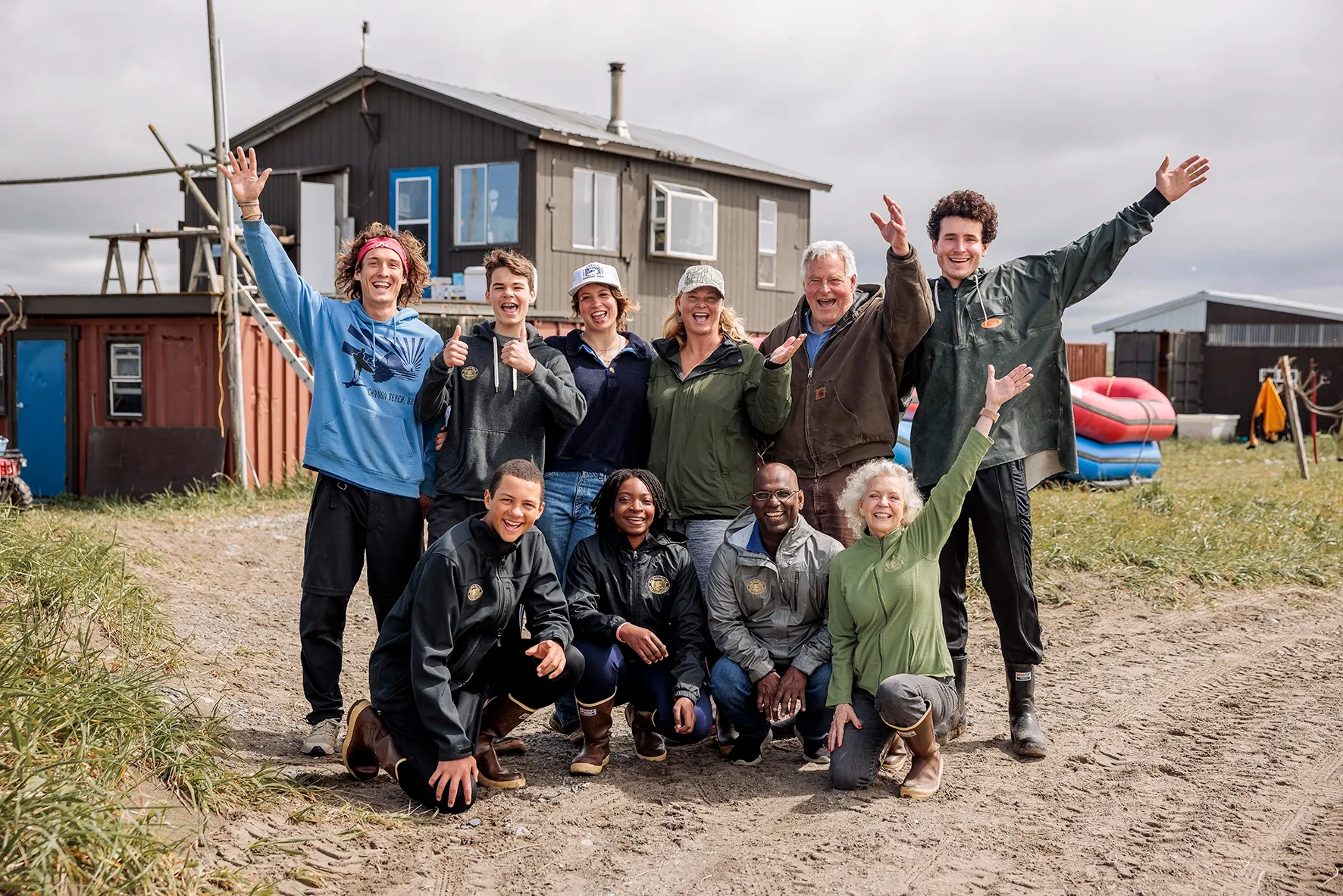
Egegik Bay is a remote stretch of beach in southwest Alaska. He’s one of the fishermen who returns here year after year. Back in 1987, he and his wife Gwen started a small fishing operation with just one permit and a big dream. Today, their family has grown into a tight-knit fishing crew spanning three generations. Their children fish alongside them, joined by grandchildren, nieces, friends, and seasonal helpers. For Tony and Gwen, it’s all about craftsmanship, family, and passing on a proud tradition.
Wild salmon is an anadromous fish, meaning it swims upstream from the ocean into rivers to lay its eggs—a true powerhouse! To build up enough energy for this tough journey, the salmon feeds on plankton and shrimp. And that exact diet is what gives its flesh that beautiful, deep red color.
Unlike farmed Atlantic salmon, wild Sockeye salmon swims freely in the wild. This means it works harder for its meals and has a much more varied diet. As a result, Sockeye salmon is lower in fat than Atlantic salmon, but it has a higher concentration of healthy omega-3 fatty acids, along with a significant dose of vitamins and minerals like iron, vitamin B12, and vitamin E.
All of Sea Tales' wild salmon is caught in the northeastern part of the Pacific Ocean (FAO 67). This canned variety is specifically caught near Kodiak Island, Alaska.
Sardines
Sardines
Anchovy
Albacore tuna

Atlantic salmon
Jack Mackerel
Sardines
skipjack tuna
skipjack tuna
Wild sockeye zalm